Sourcing Artisan Amber Directly from Lithuania

Sourcing artisan amber directly from Lithuania is defined as purchasing handcrafted Baltic amber pieces through verified Lithuanian workshops, studios, or certified suppliers rather than through intermediaries or mass-market distributors. This distinction matters because the Baltic region holds the world’s largest deposits of succinite, the fossilized resin that forms genuine amber, and Lithuanian artisans have refined their craft over centuries. When you buy amber from Lithuania through direct channels, you get traceability, certified authenticity, and pieces shaped by skilled hands rather than factory molds. Whether you need amber for jewelry making, natural healing applications, or distinctive gifts, this guide covers every step from identifying real amber to building lasting supplier relationships.
How to recognize authentic artisan Baltic amber
Genuine artisan Baltic amber is not uniform. That is the first thing to understand. Authentic artisan amber retains organic imperfections rather than uniform shapes, which signals natural origin and skilled craftsmanship. Factory-produced pieces are cut to standardized dimensions, while a Lithuanian artisan follows the stone’s natural contours, shaping the metal setting around the amber rather than forcing the amber into a preset mold.
Color is another reliable indicator. Genuine Baltic amber spans a spectrum from pale lemon yellow to deep cognac, green, and rare blue. Pressed amber, which is made from ground amber fragments fused under heat, often shows a swirled or overly uniform pattern when viewed under magnification. Copal, a younger resin sometimes sold as amber, dissolves slightly when touched with acetone, while true Baltic amber does not react.

Hand-set artisan jewelry differs significantly from factory pieces in craftsmanship and material authenticity, producing greater long-term value. Artisan settings in sterling silver or gold are shaped individually to each stone. You will notice slight asymmetry in the metalwork, which is a feature, not a flaw.
For formal verification, the Lithuanian Assay Office provides official certification to distinguish true Baltic amber from copal and synthetic resins. Reputable manufacturers supply certificates and independent test reports on request. Always ask for documentation before placing a wholesale order.
- Look for organic inclusions such as air bubbles, plant matter, or insects, which confirm natural origin
- Request a certificate from the Lithuanian Assay Office or an independent laboratory
- Check the setting: hand-shaped silver settings show slight variation; factory settings are identical across pieces
- Perform the saltwater float test: genuine amber floats in a saturated saltwater solution, while most fakes sink
- Examine color depth under natural light; genuine amber has internal luminosity that plastic cannot replicate
Pro Tip: Ask your supplier for a close-up photo of the stone’s surface under magnification before purchasing. Genuine artisan amber shows micro-fractures, natural inclusions, or surface texture that mass-produced pieces never have.
Where to find reputable Lithuanian artisan amber suppliers
The most reliable channel for sourcing handcrafted amber products from Lithuania is direct contact with workshops and artisan studios based in Vilnius, Klaipeda, or the Curonian Spit region. These areas concentrate the highest density of certified amber craftspeople in the world. Visiting in person, even once, builds the kind of trust that no online catalog can replicate.
For buyers who cannot travel, the following sourcing channels are worth prioritizing:
- Lithuanian artisan studios with direct online storefronts. Workshops like Amby and Ekohub operate their own e-commerce platforms, allowing you to purchase directly without a distributor markup. These sites list certifications, material details, and artisan backgrounds.
- Verified wholesale platforms. Platforms such as Amberdeal and GenuineAmber serve international wholesale buyers with minimum order thresholds and documented sourcing chains. They are not artisan studios, but they maintain supplier transparency.
- Trade fairs and amber exhibitions. The International Amber Association organizes events in Gdansk and Vilnius where you can meet Lithuanian artisans face to face, inspect pieces, and negotiate long-term supply agreements.
- Direct referrals from existing buyers. Jewelry designers and natural health retailers who already buy amber from Lithuania are often willing to share supplier contacts. LinkedIn groups focused on Baltic gemstones are a practical starting point.
- Artisan cooperatives. Some Lithuanian craftspeople organize into small cooperatives that sell collectively, offering a wider product range while maintaining individual artisan attribution for each piece.
Traceability is a crucial sourcing metric; successful retailers build brands through direct relationships with Lithuanian craftspeople rather than relying on wholesale catalogs. This means asking every potential supplier for the name of the artisan, the region where the amber was harvested, and the processing method used.
Pro Tip: When reaching out to a Lithuanian workshop for the first time, request a sample order of three to five pieces before committing to a bulk purchase. This lets you assess quality, packaging, and communication before scaling the relationship.
Here is a comparison of the main sourcing channels:
| Channel | Best for | Traceability | Minimum order |
|---|---|---|---|
| Direct artisan studio | Unique pieces, custom orders | High | Low (1-5 pieces) |
| Verified wholesale platform | Volume purchasing | Medium | Medium (50-100 EUR) |
| Trade fair contact | Long-term partnerships | High | Negotiable |
| Artisan cooperative | Variety with attribution | High | Low to medium |
What to expect from pricing, ordering, and shipping
Amber pricing follows a clear logic once you understand the variables. Raw amber weight, color rarity, artisan labor, and metal type all affect the final cost. Simple amber beads or basic pendants start under 20 EUR, while complex artisan pieces with sterling silver settings can exceed 100 EUR per item. Custom pendants may start at 65 EUR, and wholesale pricing becomes more favorable as order size increases.

Wholesale buyers typically unlock better per-unit pricing at order thresholds around 50 to 70 EUR, with some suppliers offering free local shipping above that level. International shipping from Lithuanian manufacturers ranges from 3 days to 3 weeks depending on destination, with costs varying by carrier and order weight. Express courier services like DHL and FedEx reach North America and Asia in 3 to 5 business days; standard postal services take 10 to 21 days.
Key considerations for your total landed cost:
- Product cost: Negotiate per-unit pricing based on order volume and repeat purchase history
- Shipping cost: Factor in carrier fees, dimensional weight charges, and any fuel surcharges
- Import duties: The US charges no import duty on most amber jewelry under the Harmonized Tariff Schedule; EU buyers face VAT on import value
- Payment methods: Most Lithuanian suppliers accept bank transfer (SEPA or SWIFT), PayPal, and increasingly Stripe; always request a formal invoice for customs documentation
- Currency risk: Transactions are typically in EUR; if you pay in USD, account for exchange rate fluctuation over the order cycle
Pro Tip: Ask your supplier to declare the shipment as “handcrafted jewelry” with the correct HS code (7117.19 for base metal jewelry or 7117.90 for other) to avoid customs delays and incorrect duty assessments.
Common mistakes when sourcing artisan amber from Lithuania
The most expensive mistake buyers make is assuming all amber labeled “Baltic” is equal in quality and craftsmanship. Many buyers fail to distinguish authentic hand-set artisan jewelry from mass-produced pieces, and organic stone imperfections are the clearest signal of genuine artisan work. A piece that looks too perfect almost certainly is.
Other frequent errors include:
- Skipping certification requests. Never purchase amber without asking for a certificate or test report. Retailers must verify amber authenticity through certificates and independent assays to distinguish it from copal or synthetic resins.
- Relying on intermediaries without transparency. Distributors who cannot name the originating workshop or artisan are a red flag. Insist on supplier transparency before committing funds.
- Ignoring communication quality. A supplier who responds slowly, avoids specific questions about materials, or cannot provide photos on request will create problems at scale. Test responsiveness before placing large orders.
- Assuming uniform quality across a product line. Artisan amber is inherently variable. Each stone is different, and you should expect and embrace that variation rather than demanding factory-level consistency.
“The primary Baltic amber deposit is fixed and not growing. Quality amber in desirable colors is increasingly difficult to source, which makes direct artisan relationships not just preferable but strategically necessary for long-term supply security.” Midwest Amber Expertise
Buyers who skip due diligence at the supplier selection stage almost always pay more in the long run through returns, reputational damage, or the cost of re-sourcing after a bad batch.
Best practices for ethical sourcing and supporting Lithuanian artisans
Ethical sourcing of handcrafted amber products from Lithuania means more than avoiding fakes. It means paying fair prices that reflect artisan labor, supporting workshops that practice responsible amber harvesting, and building relationships that sustain traditional craft skills across generations.
Lithuania’s amber deposits are a finite natural resource. The primary Baltic amber deposit is not growing, which means responsible extraction practices directly affect long-term supply. Suppliers who work with licensed amber collectors and avoid over-extraction are the ones worth building long-term relationships with.
Practical ethical sourcing steps include:
- Pay the asking price for artisan work rather than negotiating to the floor. Artisan labor is the primary cost driver, and underpaying erodes the craft community.
- Prioritize workshops that employ local Lithuanian craftspeople rather than outsourcing finishing work to lower-cost countries.
- Ask about material sourcing: amber should come from licensed Baltic Sea coastal or inland deposits, not from unverified secondary markets.
- Support artisan cooperatives that reinvest revenue into training younger craftspeople, preserving amber-working techniques that date back to the Neolithic period.
- Choose suppliers who use recycled or minimal packaging, reducing the environmental footprint of international shipments.
Artisan amber pieces carry a living story and embody cultural heritage, distinguishing them from mass-produced items focused solely on trend. When you source ethically, that story becomes part of your product’s value proposition.
Pro Tip: Ask your Lithuanian supplier whether they participate in any artisan certification programs or cooperatives. Suppliers who can answer that question in detail are almost always the ones with the strongest quality and ethics standards.
Key takeaways
Sourcing artisan amber directly from Lithuania requires verified suppliers, certified authenticity, and direct artisan relationships to secure genuine quality at fair prices.
| Point | Details |
|---|---|
| Authenticity verification | Always request Lithuanian Assay Office certificates or independent lab test reports before purchasing. |
| Direct supplier relationships | Contact Lithuanian workshops directly to maximize traceability and eliminate intermediary markups. |
| Pricing structure | Simple pieces start under 20 EUR; complex artisan work exceeds 100 EUR, with wholesale thresholds around 50 to 70 EUR. |
| Shipping logistics | International delivery from Lithuania takes 3 to 21 days; factor in duties, VAT, and currency risk for total landed cost. |
| Ethical sourcing | Pay fair artisan prices, prioritize licensed amber sources, and support workshops that train local craftspeople. |
What I’ve learned from years of working with Lithuanian amber
I have handled hundreds of amber pieces over the years, and the single most consistent observation I can share is this: the buyers who get burned are the ones who prioritize price over provenance. They find a supplier offering amber at 30% below market rate, skip the certification step, and end up with pressed amber or copal that their customers eventually return.
The buyers who build lasting businesses around Baltic amber do the opposite. They pay a fair price for a piece they can trace back to a named artisan in a specific Lithuanian workshop. They know whether the amber came from coastal deposits or inland mining. They can tell you the color category, the approximate age of the resin, and why the setting was shaped the way it was. That knowledge is not just interesting. It is the product.
What surprises most people is how accessible direct Lithuanian artisan sourcing actually is. You do not need a trade license or a large minimum order to start a relationship with a workshop in Vilnius. A sample order of five pieces, a few honest questions about materials and process, and a prompt payment are enough to open a conversation that can last years.
The market for genuine artisan amber is also tightening. Quality stones in rare colors like green or blue are genuinely harder to find than they were a decade ago. That scarcity is not a sales tactic. It reflects the fixed nature of Baltic deposits. Buyers who establish direct relationships now are securing supply that will become harder to access at any price in the future.
My honest recommendation: treat your first Lithuanian amber supplier like a long-term partner, not a transaction. Ask questions, visit if you can, and pay on time. The amber community in Lithuania is small and well-connected. A reputation for being a fair, communicative buyer opens doors that no amount of negotiation can.
— Amber
Discover authentic Lithuanian amber at Balticsecret
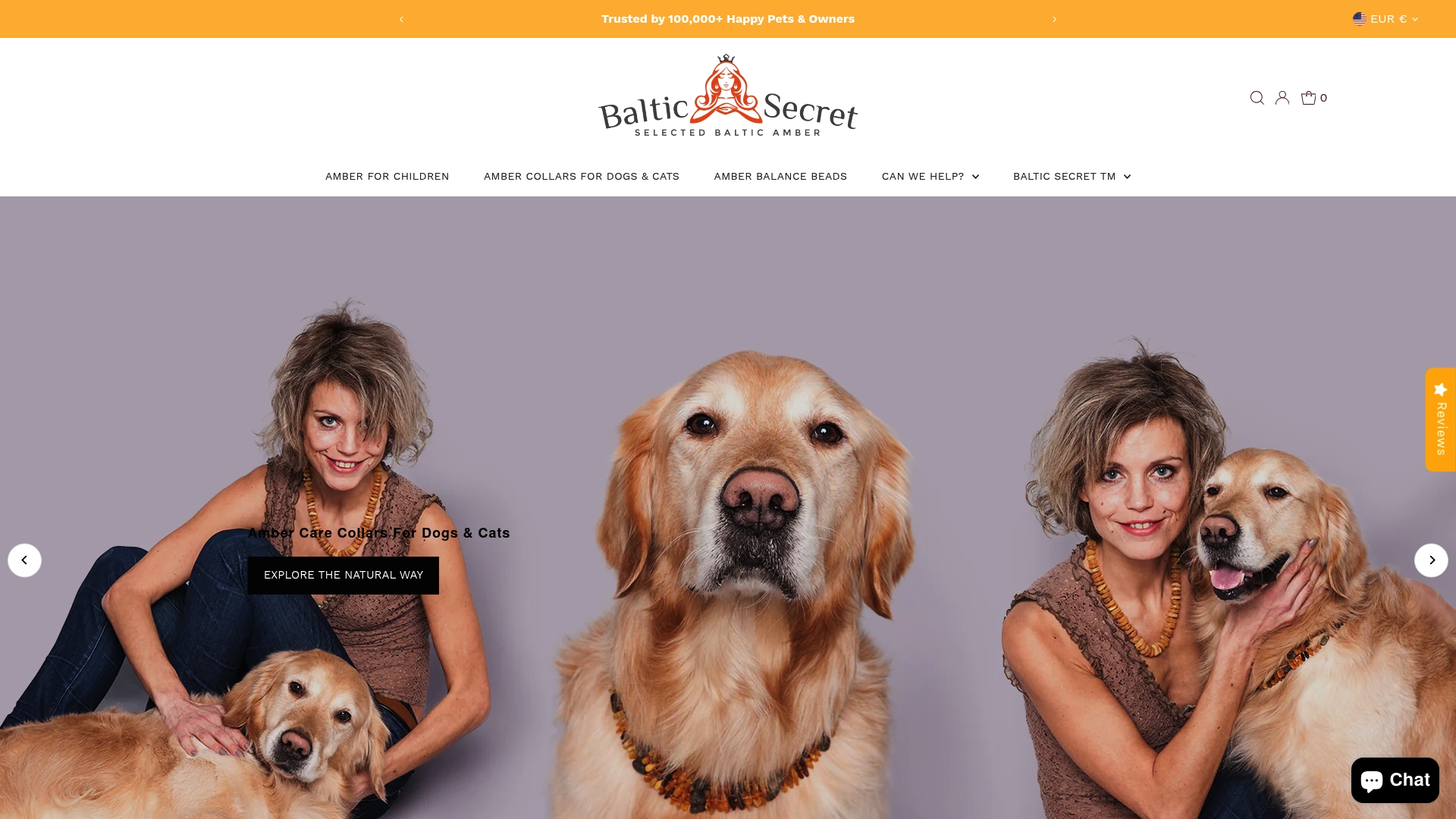
Balticsecret sources every amber product directly from verified Lithuanian artisan workshops, with certifications and authenticity guaranteed on each piece. The platform carries artisan amber pendants made from entire amber specimens, amber accessories for children and pets, and a full range of handcrafted jewelry for daily wear. Whether you are a jewelry designer looking for wholesale supply or an individual seeking a single certified piece, Balticsecret connects you directly to Lithuanian craftsmanship without intermediary markups. The full product catalog includes detailed sourcing information, size guides, and care instructions, with customer support available to help you find the right amber for your specific application.
FAQ
What is the difference between artisan and factory-made Baltic amber?
Artisan amber features hand-shaped metal settings aligned to each stone’s unique contours, while factory pieces use standardized molds. Organic imperfections in the stone confirm genuine artisan origin.
How do I verify that Baltic amber is authentic before buying?
Request a certificate from the Lithuanian Assay Office or an independent laboratory. Authentic Baltic amber can also be tested at home using the saltwater float test, where genuine amber floats and most fakes sink.
What are typical minimum order quantities for Lithuanian amber wholesale?
Most Lithuanian wholesale suppliers set free-shipping thresholds around 50 to 70 EUR, with no strict piece-count minimums for smaller buyers. Larger volume orders unlock per-unit price negotiations.
How long does shipping from Lithuania take for international orders?
International delivery from Lithuanian manufacturers ranges from 3 days via express courier services like DHL to up to 3 weeks through standard postal services, depending on destination and carrier selection.
Is it possible to source amber directly from Lithuania without visiting in person?
Yes. Many Lithuanian artisan studios operate direct online storefronts, and verified wholesale platforms provide documented sourcing chains. Starting with a small sample order is the most reliable way to assess quality remotely before scaling purchases.